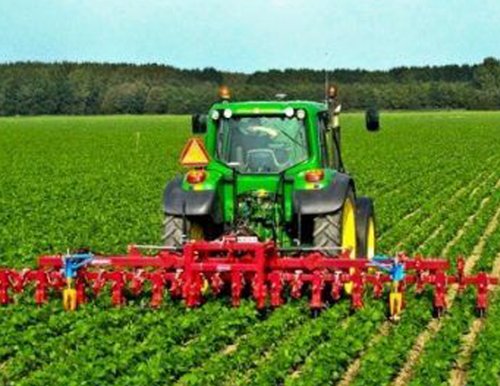
Agro Industry Sector and Food Consumable Industry Sector Projects
The agro-industry sector, also known as the agricultural or agri-food sector, plays a pivotal role in global economies and food supply chains. It encompasses a wide range of activities related to the production, processing, and distribution of agricultural products. Here are key aspects of the agro-industry:
1. Food Production:
Agriculture forms the foundation of this sector. Farmers cultivate crops and raise livestock to produce food, fibers, and raw materials for various industries.
2. Food Processing:
Agro-industries involve the transformation of raw agricultural products into value-added processed foods, including canning, milling, and packaging. This step adds convenience, extends shelf life, and enhances taste.
3. Distribution and Logistics:
Efficient transportation and distribution networks are vital to delivering agricultural products from farms and processing facilities to consumers. This sector includes logistics, warehousing, and transportation services.
4. Technology and Innovation:
Advancements in agricultural technology have revolutionized the industry. Precision agriculture, GMOs, and automation have improved yields, reduced resource consumption, and enhanced sustainability.
5. Export and Trade:
Agro-industries are often major contributors to a country’s exports. Global trade in agricultural products fuels economic growth and provides access to a variety of foods worldwide.
6. Challenges and Sustainability:
The sector faces challenges like climate change, resource scarcity, and food security. Sustainability practices, such as organic farming and reduced chemical use, are gaining importance.
7. Employment:
Agro-industries are significant employers, supporting millions of jobs in farming, processing, marketing, and distribution.
8. Food Safety and Quality:
Ensuring the safety and quality of agricultural products is critical. Regulatory bodies establish standards to protect consumer health.
9. Biotechnology:
Biotechnological innovations, including genetically modified crops and gene editing, have the potential to address challenges like crop diseases and yield improvement.
In summary, the agro-industry sector is not only essential for food production but also a driving force in economic development, technology advancement, and global trade. It faces evolving challenges related to sustainability and food security, making innovation and responsible practices key priorities for its future.
The development procedure of the agro-industry sector is a multifaceted process that encompasses various stages crucial to the growth, efficiency, and sustainability of agricultural activities and related industries.
It begins with agricultural production, where farmers engage in planting, cultivation, and livestock management to yield crops and animal products. This fundamental step is backed by ongoing research and innovation efforts that aim to improve farming techniques, develop disease-resistant crop varieties, and enhance livestock breeds.
Following harvest, primary processing takes place, involving cleaning, sorting, and basic preparation to make agricultural products market-ready. Subsequently, secondary processing transforms raw products into processed foods through milling, canning, and other methods, adhering to rigorous food safety and quality standards.
Efficient distribution and logistics networks ensure the timely and safe transportation of agricultural goods, involving warehousing, transportation, and supply chain management. Effective marketing and promotion strategies are employed to connect products with consumers, often including branding and advertising.
Regulatory compliance is crucial, with governments and international bodies setting standards for food safety, environmental impact, and product quality. The agro-industry sector also engages in international trade, exporting and importing agricultural products under the umbrella of trade agreements and negotiations.
Embracing sustainability practices, such as organic farming and resource-efficient approaches, is becoming increasingly important in this sector, addressing environmental concerns and long-term viability.
In summary, the development of the agro-industry sector is a comprehensive process involving agricultural production, research, processing, distribution, marketing, regulation, and sustainability practices, all aimed at ensuring a secure and efficient food supply chain.
The food consumable industry, a critical component of the global food supply chain, continuously engages in projects to meet evolving consumer demands, improve food safety, sustainability, and innovate in various ways. Here’s an overview of noteworthy projects in this sector:
1. Product Innovation:
Companies invest in research and development to create new and exciting food products. This involves experimenting with ingredients, flavors, and textures to cater to changing consumer preferences, including the rise of plant-based and functional foods.
2. Sustainability Initiatives:
Sustainability is a top priority. Projects focus on reducing food waste, adopting eco-friendly packaging, and sourcing ingredients responsibly to minimize environmental impact.
3. Food Safety Enhancements:
Ensuring food safety is paramount. Projects in this area involve advanced monitoring systems, traceability technologies, and adherence to stringent quality control standards to prevent foodborne illnesses.
4. Supply Chain Optimization:
Streamlining the supply chain is critical for efficiency. Projects may involve integrating technology like blockchain for transparency and efficiency, from farm to fork.
5. Nutrition and Health:
Responding to the growing interest in health and wellness, companies invest in creating healthier food options, reformulating existing products, and providing clearer nutritional information to consumers.
6. Food Tech and Automation:
Automation and robotics are transforming food production and processing. Projects include the implementation of automation for tasks like sorting, packaging, and even cooking.
7. E-commerce and Delivery:
The rise of e-commerce has spurred projects to enhance online shopping experiences, including optimizing delivery logistics, improving user interfaces, and expanding digital product offerings.
8. Global Expansion:
Food consumable companies often undertake projects to expand into new markets, adapting products to local tastes and preferences.
9. Sustainable Agriculture:
Collaborative projects with farmers promote sustainable agricultural practices, including organic farming and reduced pesticide use.
10. Food Security:
Initiatives aimed at addressing food security challenges involve projects related to food storage, distribution networks, and disaster preparedness.
These projects collectively drive innovation, enhance food quality and safety, reduce environmental impact, and cater to the changing needs and tastes of consumers worldwide. The food consumable industry’s commitment to continuous improvement ensures a diverse and sustainable food supply for future generations.
The development procedure of projects within the food consumable industry is a multifaceted process that encompasses various critical steps to meet consumer demands, ensure food safety, and drive innovation. Here’s an overview of the typical procedure:
1. Market Research and Conceptualization: The process begins with thorough market research to identify consumer trends, preferences, and emerging opportunities. Based on this research, project ideas are conceptualized, often aiming to address specific market needs or capitalize on emerging trends like health and sustainability.
2. Product Development: Once the project concept is established, the development of new food products or the improvement of existing ones takes place. This phase involves formulation, testing, and optimization of recipes, ingredients, and production processes.
3. Quality Control and Food Safety: Rigorous quality control and food safety measures are implemented to ensure that the products meet the highest standards. This includes testing for contaminants, allergens, and adherence to regulatory requirements.
4. Sourcing and Supply Chain Management: The sourcing of ingredients and materials is a crucial aspect. Projects may involve establishing sustainable supply chains, sourcing locally, or exploring partnerships with farmers and suppliers.
5. Manufacturing and Production: The project progresses to manufacturing, where processes are scaled up to produce food products on a larger scale. Automation and efficiency improvements are often part of this phase.
6. Packaging and Branding: Packaging design and branding strategies are developed to make the product appealing to consumers and convey important information such as ingredients, nutritional facts, and branding.
7. Marketing and Launch: Marketing strategies are formulated to introduce the product to the market. This includes advertising, promotions, and distribution plans. The product is then launched.
8. Consumer Feedback and Iteration: After launch, consumer feedback is closely monitored, and product improvements are made based on this feedback, ensuring that the product meets consumer expectations.
9. Regulatory Compliance: Continuous adherence to food safety regulations and labeling requirements is vital. This includes securing necessary certifications and approvals.
10. Sustainability and Continuous Improvement: Projects often incorporate sustainability initiatives, aiming to minimize environmental impact, reduce waste, and improve the overall sustainability of the product and processes.
Throughout this procedure, cross-functional teams including product developers, quality control experts, marketers, and supply chain managers collaborate to bring food consumable industry projects from concept to market, meeting consumer demands while adhering to strict quality and safety standards.
We ” AMES UAE ” company are providing the products and services for the following Agro Industry Sector and Food Consumable Industry Sector Projects through our service partner vendors clients to mobilise the entire projects for the end user customer in this sector in a global manner .